Fast Next Working Day Delivery
 Bulk Discounts Available
 Order Pre 2pm for Delivery
 Is it Worth Investing in Multifoil Insulation?
Is it Worth Investing in Multifoil Insulation?
Suppose you’re looking for methods to maintain a warmer environment in your UK home, reduce energy costs, or carry out renovations without compromising on space with bulky insulation. In that case, you might have encountered multifoil insulation. This topic is gaining traction among both trade suppliers and DIY fans, but does it perform as claimed? In this article, we will explore the nature of multifoil insulation, its functionality, and whether it performs better than traditional materials such as fibreglass and PIR in your next project.
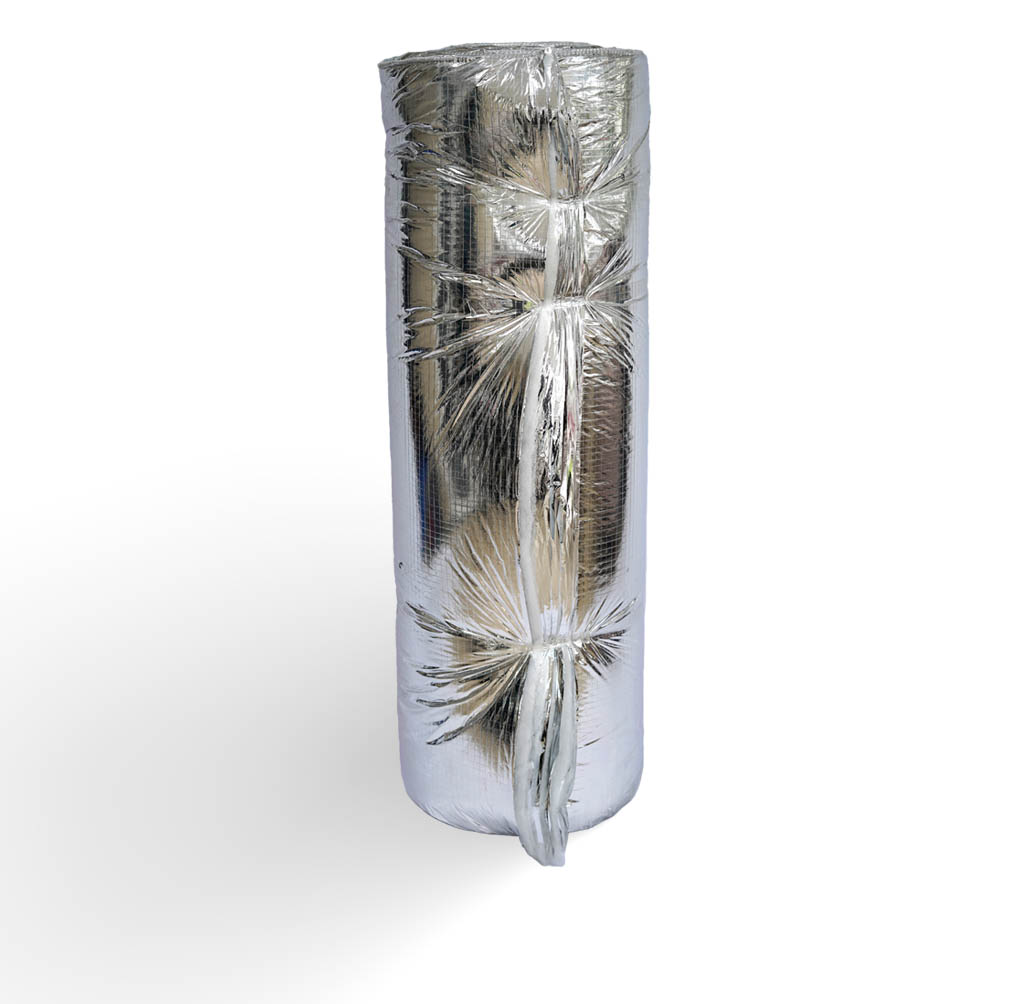
What is Multifoil Insulation?
Multifoil Insulation is a highly effective thermal insulation material composed of multiple layers of reflective foil and wadding, foam, or a bubble membrane. This innovative product is designed to enhance energy efficiency in buildings. By minimising heat loss in colder months and retaining heat during warmer periods. Its unique construction allows for excellent thermal performance, making it a popular choice in both residential and commercial properties. Furthermore, multifoil insulation can be installed in various applications, including roofs, walls, and floors, providing versatility in energy-saving solutions.
How Does Multifoil Insulation Work?
Multifoil Insulation represents a cutting-edge, layered solution designed to tackle heat loss. In an alternative way to conventional, bulky insulation materials. Instead of merely trapping air like mineral wool or impeding heat transfer with foam options such as PIR boards, multifoil insulation employs layers of reflective materials, often combined with wadding, foam, or a bubble membrane, to reflect radiant heat into your home. Notable products like YBS SuperQuilt and EcoQuilt Expert feature numerous thin layers, which include foil and recycled wadding. Remarkably, once installed, a roll of multifoil can be compressed to as little as 6mm. This slim design is particularly advantageous in scenarios where space is at a premium, such as in attic conversions or behind drylining in older buildings.
What is Multifoil Insulation?
The main benefit of multifoil insulation is its approach to managing heat. Unlike conventional materials that absorb heat and slow its transfer, reflective foil insulation is specifically engineered to reflect radiant heat. Which is a significant contributor to heat loss through roofs, walls, and floors. By installing a multifoil blanket with suitable air gaps on both sides, heat can be redirected back into your home during the winter months while keeping it at bay in the summer. Products such as Ecoquilt Expert also serve as a vapour control layer when properly taped and sealed, assisting in moisture control and lowering the risk of damp problems.
For example, should you be thinking about insulating the roof of a conservatory, multifoil insulation can be installed internally on the current roof framework. When properly sealed and completed, it provides an affordable barrier against chilly draughts in the winter and prevents overheating from the sun in summer, allowing the area to be utilised throughout the entire year.
Is Multifoil Insulation Efficient?
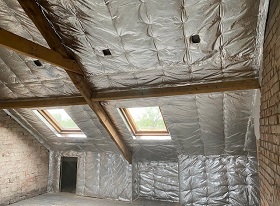
In homes across the UK, multifoil insulation offers significant enhancements. Its lightweight and adaptable characteristics make it easy to handle for both DIY enthusiasts and professional installers. Premium products such as YBS SuperQuilt are fully certified by BBA, BDA, or LABC, guaranteeing compliance with building control regulations when required. Key benefits include:
- Installation that saves space: The compact design of multifoil ensures it does not interfere with essential floor space, ceiling height, or storage areas.
- Efficiency in thermal performance: When fitted properly with air gaps and completely sealed joins. Multifoil products can attain U-values that are similar to those of over 100mm of mineral wool of Rigid PIR. All while being notably slimmer.
- Improved energy performance certificate (EPC) ratings: using accredited multifoil insulation, especially in areas beneath rafters in attics or concealed within walls, can enhance your home’s EPC rating, increasing its effectiveness to prospective buyers or renters.
Nonetheless, there are several key factors to keep in mind. The installation of multifoil should adhere to particular instructions. Maintaining air gaps is essential, every joint must be sealed depending on the application. Extra caution is necessary near electrical installations. Although it serves effectively as a vapour control layer, not every product is appropriate for external use. Always verify certifications if you are going through building regulations.
Multifoil vs PIR: Which is Superior?
Choosing between multifoil and PIR insulation can be quite a task. PIR boards are well-known for their impressive thermal resistance for each millimeter. However, they tend to be bulky, can be difficult to cut, and may pose challenges for less experienced installers. Additionally, their effectiveness relies on achieving a precise fit with minimal gaps; any miscalculations could lead to cold bridging. On the other hand, multifoil offers greater flexibility, making it suitable to fit around joists or rafters with ease.
This makes it a popular choice for compact loft conversions, garden buildings, flooring, and many more. When installed with specific air gaps, the thermal efficiency of multifoil can match or surpass PIR boards. For instance, YBS SuperQuilt (when fitted with 25mm air gaps on both sides) performs similarly to 125mm of mineral wool and 70mm of PIR. However, if your project necessitates full building control approval, choosing a certified multifoil product would be the best choice.
Conclusion
Multifoil insulation is far from being just a trend; it has proven to be a dependable choice for homes in the UK. Especially in applications where space is limited and ease of installation is crucial. If you are looking for a modern approach to improve insulation in your loft, conservatory, or under your rafters. While maintaining ceiling height and floor space, multifoil is an outstanding option. It is essential to choose certified products to ensure optimal quality and compliance, and to follow the installation guidelines given.
Here at Multifoils Direct, our team is ready to provide professional advice, resources, and product assistance to make the process of improving your home’s comfort and efficiency easier.
In summary, when applied correctly, multifoil insulation is not merely sufficient. It stands out as a reliable and innovative option compared to traditional materials, tailored for your home.